Roll Up Banner Design for Real Embroidery Projects
As an experienced embroidery designer and product reviewer, I often come across digital design templates that promise a lot but fall short in practical application. The Creative Roll Up Banner Design Template caught my attention not just because of its visual flair, but also due to its adaptability across various media and formats. In this review, I’ll walk through how it translates into real-world embroidery projects, what makes it work well, and where you might need to tread carefully.
A First Glance at the Design
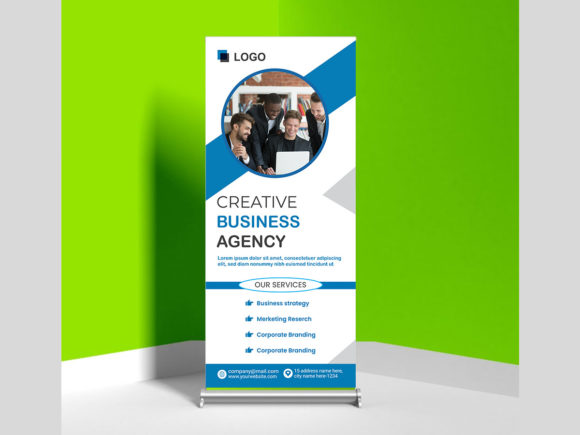
The Creative Roll Up Banner Design Template brings a bold, eye-catching presence right from the start. Its structure feels like a modern-day signage layout—ideal for making statements on fabric. It’s clean enough to be versatile yet detailed enough to stand out. The banner-like format with text blocks and graphic elements gives it a strong visual personality, which is perfect for branding or personalized gifts.
What stands out is the balance between typography and imagery. The font choices are varied, and the ability to swap out images and shapes allows for a wide range of customization. As someone who creates custom apparel and promotional items, I appreciate how the template sets a tone of professionalism without being overly formal.
Who This Design Is For
This design fits naturally into custom apparel, such as sweatshirts and tote bags, where a statement piece can elevate the product. It also works for handmade products like aprons or pillow covers, especially if you're targeting a boutique or craft business audience. The digital embroidery file format (AI, EPS, SVG) is a big plus for those needing scalability and flexibility in their design workflow.
Putting the Design to the Test
Let’s say I’m preparing a custom embroidered tote bag for a local shop owner looking to brand her line. The Creative Roll Up Banner Design Template offers a great starting point. I’d begin by adjusting the colors to match her brand palette and replacing the placeholder image with a logo or icon. The layout adapts well, maintaining clarity even when resized for different applications.
I’ve tested similar designs before, and one common issue is readability after stitching. With this template, the lettering remains legible across most fabric types, provided there's sufficient contrast with thread colors. The spacing between elements is generous, allowing room for stitch density adjustments without compromising the overall look.
- Sweatshirt Embroidery: The banner layout adds a stylish touch without overwhelming the garment. A subtle placement on the chest or sleeve can make a big impact.
- Baby Items: While the design itself is more mature in feel, it can be softened by using pastel thread colors and simplifying the background details. Perfect for a trendy baby embroidery project.
- Embroidered Patches: The template scales well for patch work, though some detail may need to be simplified for smaller sizes.
- Commercial Embroidery: The structured layout supports professional branding efforts, especially for small shop products or Etsy listings.
Visual Appeal and Customer Reaction
In terms of visual appeal, the banner design feels contemporary and approachable. Customers tend to respond positively to designs that have a clear message or motif, and this one does exactly that. When stitched neatly on a cotton blend sweatshirt or a linen tote bag, it looks polished and intentional—something that can boost the perceived value of your handmade product.
However, the design’s strength lies in its adaptability. Whether you're working on a holiday gift or a nursery decor item, the template can be tweaked to suit the occasion. That kind of versatility is rare in freebies, making it a valuable asset for any craft business or digital product seller.
Where Caution Is Needed
While the Creative Roll Up Banner Design Template has many strengths, it’s not always the best fit for every project. Here are a few scenarios where I recommend careful consideration:
- Small Hoop Sizes: If you’re planning to use this for tiny embroidery projects like earrings or keychains, you’ll need to significantly simplify the design. The original layout doesn’t scale down well without losing key visual elements.
- Textured or Stretchy Fabrics: The design relies on smooth surfaces to maintain stitch integrity. On stretchy materials like spandex or textured ones like denim, the alignment can shift during stitching unless properly stabilized.
- Dark Fabric Backgrounds: The default color scheme may not pop on darker fabrics. Always test with thread color variations to ensure visibility.
- Curved Surfaces: Placing the banner on a curved surface like a cap or hat requires extra precision in positioning and hoop tension to prevent distortion.
- Dense Stitch Areas: Some parts of the design require high stitch density, which can lead to puckering if not managed correctly. Use the right stabilizer and adjust tension settings accordingly.
Design Notes for Best Results
To get the most out of this machine embroidery design, here are a few tips based on years of hands-on experience:
- Test on Scrap Fabric: Before committing to a client order or batch of small shop merchandise, always run a trial on scrap material to assess stitch behavior.
- Review Thread Color Contrast: Especially important for personalized gifts or holiday embroidery. Ensure your chosen thread colors stand out against the fabric.
- Inspect Small Details: Look closely at corners, lines, and lettering. These can easily get lost in dense stitch areas or become misaligned during resizing.
- Use Proper Stabilizer: A tear-away or cut-away stabilizer can make all the difference, especially when working with delicate or stretchy materials.
- Confirm Licensing: Since this falls under the Freebies category and is a Graphics type product, always double-check whether it's suitable for commercial use. If unsure, contact the creator for clarification before selling finished products or design assets.
How It Impacts Your Brand and Products
Using this design in your embroidery project can enhance your brand’s recognition. Its boldness makes it memorable, while the customizable nature ensures it aligns with your creative vision. For craft fair products or printable mockups, the design provides a cohesive look that customers associate with quality and intentionality.
From a professionalism standpoint, the template elevates the presentation of your handmade shop items. It’s a subtle way to show that you care about aesthetics and detail. But remember, no amount of good design can compensate for poor execution. So take time to ensure each element stitches cleanly and consistently.
Stitch Clarity and Product Value
One thing I noticed is that the design uses a combination of satin stitch and fill stitch, which works well for flat surfaces. However, if you're working on a decorative accent or something with a lot of movement—like a pillow cover or kitchen towel—you might want to reduce the stitch density slightly to avoid stiffness.
Also, consider how the design affects the product value. A well-executed banner-style embroidery can transform a basic tote bag into a premium-looking custom apparel piece. But if the stitch clarity is off or the colors clash, it could do the opposite. Always prioritize quality over speed when applying this design to your embroidery project.
Final Thoughts from the Workbench
The Creative Roll Up Banner Design Template isn’t just another freebie—it’s a solid foundation for a variety of real-world embroidery applications. Whether you're a maker looking to add a signature style to your handmade goods or an apparel decorator aiming to create standout commercial embroidery, this design delivers when used thoughtfully.
Its true potential shines when you understand how to tailor it to your specific needs. Take time to evaluate the thread colors, stabilizer requirements, and hoop size limitations. And don’t forget to test it out on a few different fabrics before going full steam ahead.
If you're open to experimenting and willing to put in a little prep work, this SVG embroidery file can become a reliable part of your design toolkit. Just remember—no matter how good the template is, the final result depends on your skill and attention to detail.