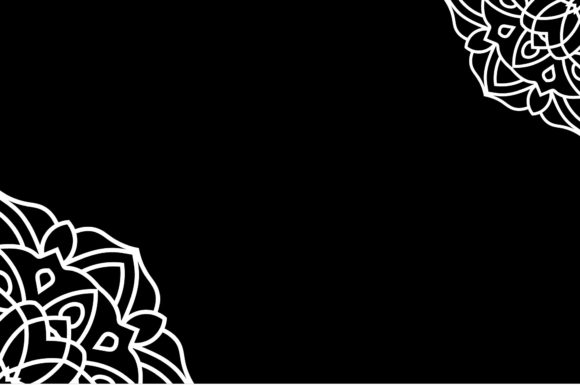
Mandala Floral Art Indian: A Versatile Graphic for Creative Projects
As a professional graphic designer, I’m always on the lookout for design assets that bring character and authenticity to client projects. When I first encountered Mandala Floral Art Indian, I was immediately drawn to its intricate patterns and vibrant symbolism. This vector-based design feels like a breath of fresh air—perfect for infusing warmth, culture, and visual interest into a wide range of creative applications.
Ethnic Elegance Meets Modern Design
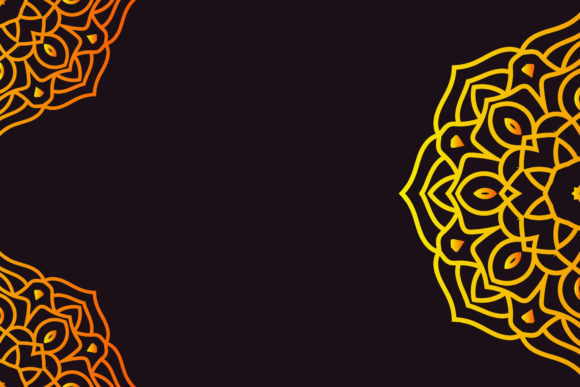
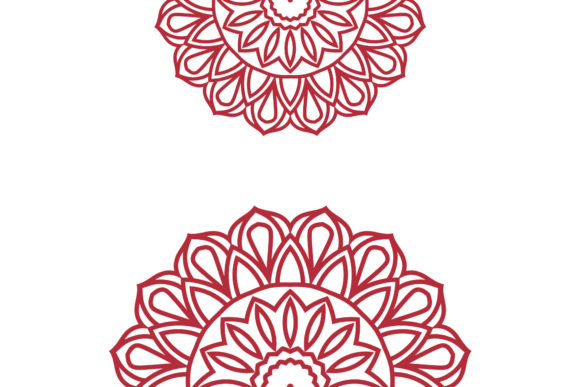
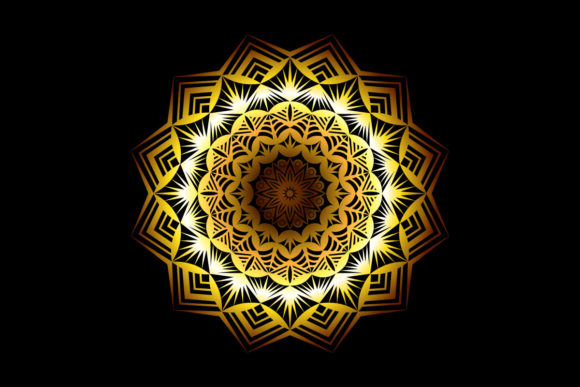
The Mandala Floral Art Indian carries an unmistakable cultural richness rooted in traditional Indian aesthetics. Its mandala structure is balanced yet dynamic, with floral motifs that echo centuries-old craftsmanship. The design doesn’t feel dated; instead, it bridges the gap between heritage and contemporary style. It’s ideal for clients who want to evoke a sense of spirituality, artistry, or global inspiration without leaning too heavily into clichés.
Visually, the asset has a soft organic flow, which makes it adaptable across different media. Whether used as a background or integrated into foreground elements, it maintains a cohesive look that supports both bold and subtle design approaches. The repeating patterns and symmetry give it a meditative quality that can enhance the mood of wellness brands, yoga studios, or spiritual retreats.
Ideal for Handmade Businesses and Seasonal Campaigns
This design excels in supporting small business branding and handmade product lines. For instance, imagine a boutique selling artisanal teas from India. Using this asset in their packaging design or brand identity could instantly connect them with the source of their products while adding a layer of sophistication. Similarly, a seasonal campaign for a local festival might benefit from its ornate details and cultural resonance, helping to build a stronger emotional connection with the target audience.
Its versatility also shines in print-on-demand ventures. Think about how it could elevate a t-shirt design or sticker layout. The floral composition adds just enough detail to make a statement but remains flexible enough to work with various color schemes and typography styles.
Performance in Real-World Design Applications
When testing the Mandala Floral Art Indian in real client scenarios, it became clear that this asset is more than just decorative—it’s functional and impactful. Here are some key use cases where it performed exceptionally well:
- Logo design: As a supporting element in a logo, especially for eco-conscious or spiritual brands, the mandala pattern adds depth and meaning.
- Product labels and packaging design: Used as a border or subtle background, it enhances the perceived value of the product and gives a handmade, authentic feel.
- Invitations and posters: The intricate details work beautifully in large format prints, making it perfect for event design, wedding invitations, or cultural celebrations.
- Merchandise graphics: Applied to mugs, tote bags, and phone cases, it stands out while maintaining clarity even when printed at smaller sizes.
- Web and blog visuals: As a hero background or section divider, it creates a warm, inviting atmosphere—especially for lifestyle or wellness websites.
- Canva templates and digital ads: Its high-resolution vector nature ensures crisp rendering on screens, making it suitable for social media posts and Pinterest pins.
- Cricut projects: With clean paths and no overlapping complexities, it cuts smoothly and looks stunning on paper crafts, greeting cards, or scrapbooking layouts.
- Editorial and print layouts: When placed behind text or imagery, it becomes a gentle texture that supports rather than distracts.
Where to Use Mandala Floral Art Indian Most Effectively
While the Mandala Floral Art Indian is incredibly versatile, there are certain areas where it truly shines:
- Large layout areas: The complexity of the design works best when given ample space to breathe, such as full-page backgrounds or poster designs.
- Hero graphics: Its rich detail makes it a great choice for eye-catching headers or splash pages that need a strong visual anchor.
- Themed collections: If you’re creating a line of products inspired by Eastern traditions or mindfulness themes, this design will unify your collection visually.
- Printable wall art: Its scale and beauty translate well into printable formats, especially when framed or displayed in living spaces or retail environments.
- Supporting brand elements: From label accents to subtle borders, it can add a touch of elegance to otherwise minimalist brand identities.
Use with Caution: Design Limitations to Consider
Despite its strengths, there are situations where the Mandala Floral Art Indian may not be the best fit. In small-scale designs, such as icons or mobile app buttons, the fine details can become lost or overwhelming. Likewise, if a project already features heavy textures or complex illustrations, adding this asset could muddy the visual hierarchy.
It should also be avoided in corporate branding materials or professional presentations where minimalism and clarity are prioritized. While it can add personality, it may not align with the clean, modern aesthetic many businesses aim for.
Design Readability and Visual Hierarchy
One of the most important aspects of any design asset is how it affects readability and visual hierarchy. In my tests, the Mandala Floral Art Indian worked best when layered beneath solid-colored text or white space. Placing it over busy content can lead to legibility issues, so it's crucial to consider contrast and placement carefully.
If using it in a logo design or brand identity, ensure it complements rather than competes with other elements. It tends to perform better with serif or script fonts that have a classic, handcrafted feel—rather than stark sans-serif or display typefaces that clash with its ornamental nature.
Commercial Viability and Practical Notes
Before committing to using Mandala Floral Art Indian in a commercial project, I made sure to review several practical considerations:
- File formats: The vector file (SVG) opens easily in Adobe Illustrator and similar software, allowing for full customization and scalability.
- Transparency: If PNG files are included, check the transparency layers to ensure they don’t interfere with print or web outputs.
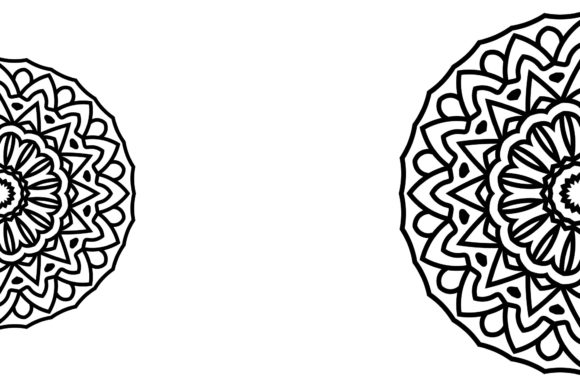
- Color adaptability: Test it in black and white to see how it performs in monochrome contexts—important for sublimation printing or grayscale publications.
- Contrast variations: Place it on both light and dark backgrounds to evaluate visibility and adjust accordingly.
- Mockup integration: Preview it on real product mockups (t-shirts, mugs, stickers) to assess how it translates in physical form.
- Print quality: Always confirm that the design holds up under high-quality print conditions, especially for product mockups and packaging design.
- Licensing: Double-check the commercial license to ensure it allows for the intended usage, including reselling products with the design applied.
Pairing with Typography for Maximum Impact
Typography plays a major role in how this asset integrates into a design. Here are some font pairings I tested during my review:
- Serif fonts: Worked well for a traditional, elegant look—ideal for editorial design or luxury branding.
- Sans-serif fonts: Less effective unless the overall design leans into a more abstract or artistic direction.
- Script/handwritten fonts: Complemented the mandala’s hand-drawn appearance perfectly, enhancing the handmade business vibe.
- Display fonts: Best used sparingly, as overly stylized typefaces can compete with the floral intricacies.
A Designer’s Perspective on Brand Consistency and Emotional Appeal
In terms of brand consistency, the Mandala Floral Art Indian offers a unique opportunity to reinforce a brand’s story through visuals. It brings a sense of authenticity and intentionality that resonates with audiences looking for meaningful connections beyond just aesthetics.
From an emotional appeal standpoint, the mandala’s circular motion and floral elements naturally convey peace, harmony, and creativity. These are powerful attributes for marketing visuals aimed at wellness, meditation, or creative industries. However, the same qualities can be distracting in more formal or high-information environments.
Why This Asset Belongs in Your Design Toolkit
What sets the Mandala Floral Art Indian apart is its ability to enrich a project without overpowering it. As a background, it provides texture and warmth; as an illustration, it adds narrative and cultural context. It’s one of those rare design assets that feels both timeless and current—a true creative design staple.
For designers working with design bundles, this piece is valuable as a supporting element in themed collections. It pairs seamlessly with other Indian-inspired graphics, patterns, and textures, making it easy to create cohesive visual concepts for niche markets.
Final Thoughts for Designers and Small Business Owners
After thorough evaluation, I believe the Mandala Floral Art Indian is a strong addition to any designer’s library—especially those working with backgrounds and graphics for digital products, printable designs, or commercial design needs. It brings a level of polish and intention that elevates the final output, whether you're crafting an Etsy product or preparing a launch for a new handmade brand.
That said, it's important to approach it with a strategic mindset. Understand your client’s goals, test it in various formats, and ensure it fits within the visual hierarchy of the overall design. When used correctly, this asset can help create memorable, engaging, and emotionally resonant marketing visuals and brand identities.
If you're looking for a design that balances beauty with functionality, the Mandala Floral Art Indian is worth considering. Just remember to apply it thoughtfully and always verify licensing before going live with a real client project.