I Love My Sister Embroidery Design: A Real-World Test for Crafters and Makers
As an embroidery designer with years of experience in both personal and commercial projects, I always approach a new design like I Love My Sister with a mix of curiosity and caution. The title alone hints at sentimentality, but what really matters is how the design translates into a tangible product—how it stitches up, looks on fabric, and holds its own after multiple washes or uses. In this review, I’ll walk through my thought process when evaluating I Love My Sister as a machine embroidery design for real-world applications.
First Impressions and Visual Personality
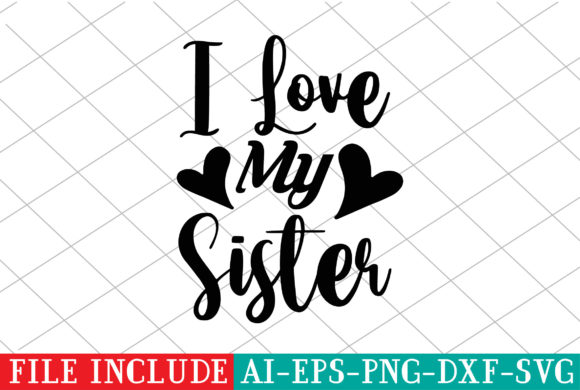
When I first opened the digital file for I Love My Sister, I was struck by its clean layout and soft, handwritten font style. The phrase is centered with enough spacing to feel open and uncluttered, which makes it versatile for different project types. It’s not overly detailed or intricate, which is a good sign for those looking to avoid dense stitch areas that can be tricky on certain fabrics or machines.
The design feels warm and personal—perfect for handmade gifts or boutique items where emotional resonance is key. It doesn’t scream boldness, but rather invites a sense of intimacy and care. This kind of visual tone aligns well with baby clothes, holiday gifts, and personalized home décor, especially if you're aiming for something heartfelt without being too flashy.
Real-Life Use Scenarios
I imagine using I Love My Sister on a custom sweatshirt for a family gift or as part of a tote bag design for a small shop. Its simplicity means it won’t get lost on larger surfaces, and the balance between lettering and negative space allows it to stand out without overwhelming the eye. For an Etsy seller or craft fair vendor, this design could easily become a staple in their collection of graphics for casual apparel or embroidered patches.
Let’s say I’m preparing a holiday gift line featuring embroidered tea towels or pillow covers. I Love My Sister would fit right in—its gentle curves and legible text make it ideal for satin stitch or even simple running stitch outlines. It works well as an applique design, too, particularly when layered with other elements like floral accents or geometric borders.
Where It Shines
- Tote bags – The design’s clarity and scale work beautifully on cotton canvas, especially when paired with a solid thread color for contrast.
- Sweatshirts and t-shirts – On thicker knits, the moderate stitch density ensures it won’t pucker or distort.
- Baby items – Soft fonts and minimal detail are great for nursery decor or onesies, avoiding irritation from tight stitching.
- Embroidered patches – The design’s straightforward structure lends itself well to patchwork, especially when used with contrasting threads.
- Etsy listings – As a digital embroidery file, it offers a quick turnaround for sellers needing ready-to-stitch designs for their handmade product range.
Design Considerations for Practical Application
While I Love My Sister has many strengths, there are some limitations to consider before applying it to every project. One thing I noticed is that the script style includes some delicate serifs and loops—these might require extra attention when working with small hoop sizes or stretchy fabrics. If your design is going onto a curved surface like a cap or hat, you may need to adjust the placement carefully to ensure readability and proportion.
When to Be Cautious
- Small Hoop Sizes: The design’s scale might be compromised if you’re using a very small hoop. Always check the recommended size if provided, or test it on scrap fabric.
- Textured Fabrics: On quilting cotton or flannel, the subtle details of the letters might not stitch as clearly. You may want to simplify the design or increase stitch density slightly.
- Thin or Stretchy Fabrics: Delicate materials can cause distortion in the finer parts of the script. Use a proper stabilizer and consider adjusting tension settings.
- Dark Fabric Backgrounds: While the design reads well on light colors, it may lose impact on darker shades unless you use bright thread colors. Always preview the design in black and white to see how it contrasts.
- Products That Need Frequent Washing: The stitch count and density will affect durability over time. For items like baby clothes or aprons, make sure the design can hold up after repeated laundering.
Stitch Clarity and Thread Color Choices
One of the most important factors in any embroidery project is stitch clarity. I Love My Sister appears to be designed with a moderate stitch density that should work well for most standard embroidery machines. However, depending on the fabric texture and thickness, you may need to tweak the density manually to prevent puckering or gaps between stitches.
Thread color selection is also crucial. Because the design relies on fine lines and curves, using high-quality rayon or polyester threads with good coverage will help maintain its visual appeal. Darker thread colors might blend into the background more than intended, so testing a few options before final production is highly recommended.
Customer Perception and Project Value
From a business standpoint, I Love My Sister adds a layer of handmade presentation and personalized gift appeal. It conveys warmth and sincerity, making it a strong contender for items like custom apparel or holiday gifts. Customers tend to trust and value products that feel thoughtful and intentional, and this design does just that.
If you're a craft business owner or small shop product creator, using this design consistently across your inventory—like on aprons or kitchen towels—can help build brand recognition and professionalism. It’s subtle enough to repeat without feeling repetitive, yet distinctive enough to create a signature look.
Designer Notes for Best Results
- Test on Scrap Fabric First: Before committing to a full run, try stitching the design on similar material to assess quality and durability.
- Review Stitch Density Settings: Depending on your machine and fabric choice, you may need to adjust the density for optimal results.
- Confirm Recommended Hoop Size: Although the exact dimensions aren't listed, it's smart to verify compatibility with your hoops and machine specifications.
- Inspect Small Details: Check for tiny corners or thin lines that might break during embroidery. These can often be reinforced manually or adjusted in design software.
- Use Proper Stabilizer: Especially on stretchy or thin materials, using a cutaway or tear-away stabilizer can make a big difference in the finished product.
- Check Licensing Terms: If you plan to sell finished items or digital embroidery files, ensure you have the appropriate rights. Licensing isn’t specified here, so don’t assume.
Final Thoughts for Embroidery Projects
In summary, I Love My Sister is a reliable and emotionally resonant design that fits well into a variety of embroidery projects. Whether you're creating a one-of-a-kind personalized gift or planning a batch of commercial embroidery for your craft business, this design brings a touch of authenticity and charm. Just remember to adapt based on your specific needs—fabric type, machine capabilities, and end-use all play a role in how successful the final piece will be.
For creative entrepreneurs and digital product sellers, including this design in your catalog of design assets can elevate your offerings. Pair it with printable mockups to give customers a realistic view of how it looks on a tote bag design or sweatshirt embroidery. And for hobbyists who love experimenting with machine embroidery design, it’s a great starting point for learning how to manipulate SVG and DXF files for different effects.
So go ahead—try I Love My Sister on your next project. But don’t skip the prep work. The right approach will turn a good design into a truly valuable finished product.